
Where money comes from: explaining it to kids
Young children often think money comes from a machine or a card. The honest answer is that people earn it by doing something someone wants. Let your child do a small paid job, see the coins arrive, and then choose what to do with them.

By the Pocketvale team. Published 13 November 2026, updated 14 November 2026.
Key takeaways
- Young children often think money comes from a machine or a card.
- The honest answer is that people earn it by doing something someone wants.
- Let a child do a small paid job, see the coins arrive and then choose what to do with them.
Why the machine answer is wrong
Ask a four-year-old where money comes from and many will say the cash machine, or the card. It is a sensible guess, because that is the part of it they can see. They have not seen the bit before, where someone did a job and was paid. A child who has never earned coins sees only the spending.
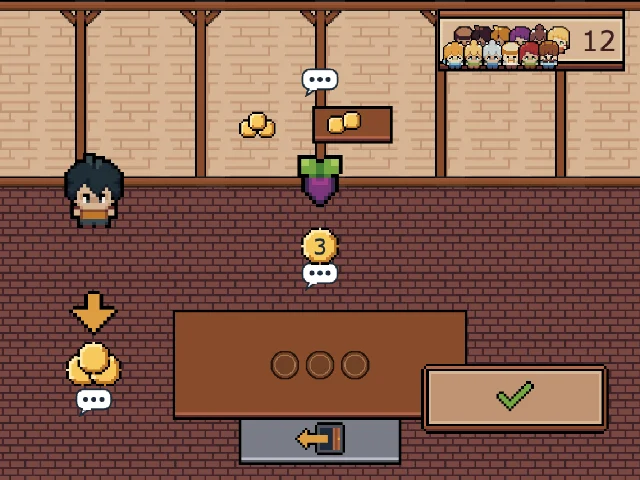
The fix is not a talk about work. It is a coin that arrives because the child did something, in a way that child can see. Money has a few sources, and a young child can meet three of them: work, someone pays you for what you do; trade, someone pays you for what you make or sell; and gifts, money given with no job attached. A fourth, interest, comes later. Our guide to explaining interest covers it.
 Do a small job
 Coins arrive
 Choose
 Save, spend or give
Jobs, chores and gifts are not the same
The thing to keep clear is the difference between a chore and a job. A chore is something every family member does because they live there: making a bed, feeding a pet. It is not paid. A job is something extra, which a family would otherwise pay someone to do, or leave undone. Many families pay only for jobs and keep chores free. Others do it differently, and our guide to age-appropriate chores weighs both. What matters here is that the child can see which coins came from a job.
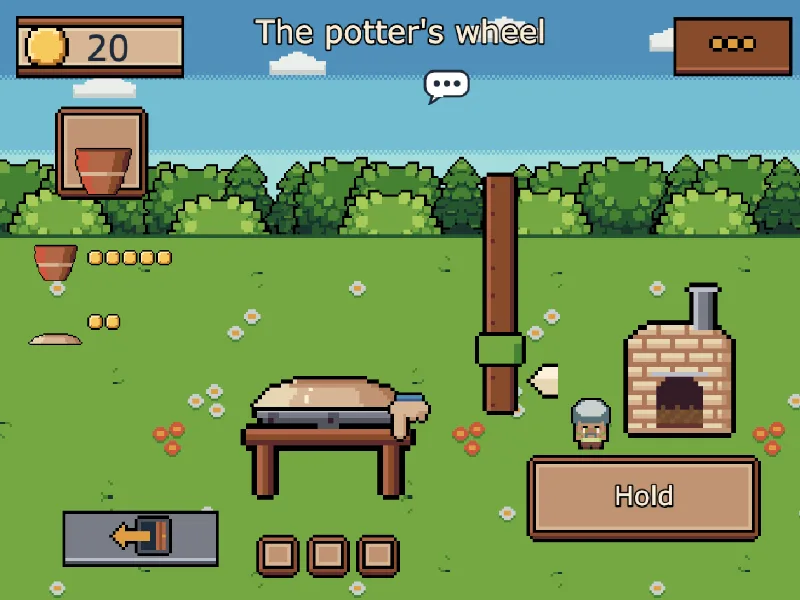
Three things make a first job work well for a young child.
- It is chosen, not assigned. A job a child picked from a short list is one they care about.
- It has a clear end and a clear pay. "Wash the car windows, and get three coins" is a job. "Help around the house" is not.
- The pay is paid at once. The coin and the effort need to be close together for a young child to connect them.
What to say to your child
Try: "Money comes to people who do something that other people want." Then point at examples: the person who drives the bus, the baker, the person at the till. Ask your child what they do that someone else might want, which is often a surprise: "I draw", "I make my brother laugh". It is the start of understanding that everyone has something to offer.
One thing to do away from the screen
Make a job jar. Write three or four small extra jobs on cards, each with its pay in coins: wiping the table, matching the socks, watering the plants. Put the cards in a jar and let your child choose one on a day they would like to earn. Pay the coin when the job is done and checked, then let your child decide which of their three jars it goes in. Put a new card in each week so the choice stays fresh. Do not ask for more than one a day.
Where money comes from in Pocketvale
Pocketvale is a free browser game for children of about 4 to 8, and every coin in it comes from something the child did. The village's job board is where the idea is clearest. It shows a few jobs asked for by villagers, each with its pay on a big coin. A child does each job in one of the village's own games, such as the market stall or the pond, and is paid for it.
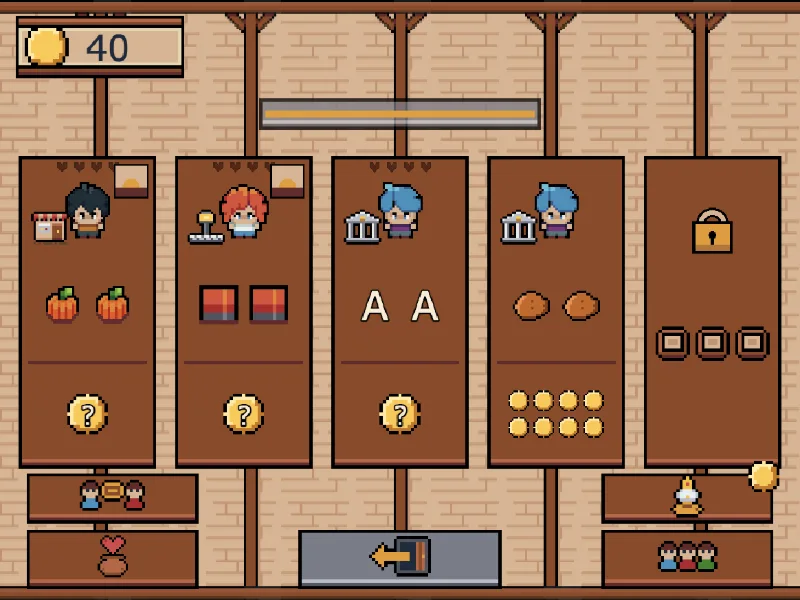
A few rules keep the board kind to a young child.
- A job only adds to the day. It never replaces the normal pay and never costs anything to accept, so ignoring the board loses nothing.
- Only what the child can do. Jobs come from games the child has already finished, so the board never asks for something new.
- Three different jobs. Never two from the same game, so there is a real choice.
- It refreshes on a clock, not when jobs are done. Finishing all three does not bring three more, so it never turns into a treadmill.
- A finished job stays on the board, ticked. The child sees what they did.
- What can be done now glows. The jobs the child can start this minute are marked, so the choice is about what to do, not about finding it.
The jobs are one source among several. Coins also come from the market stall, where each customer is counted out, and from selling what a child grows or makes. Our guide to selling at a stall covers that one.
Sources and further reading
What this guide leans on, from outside Pocketvale.
- Money as You Grow: young children (US Consumer Financial Protection Bureau). A US government guide for parents, with money ideas for young children.
- Council for Economic Education. A US nonprofit that publishes economics and personal finance standards for schools.
- PISA (OECD). The programme that measures how well young people understand money across many countries.
How we wrote this
- We lean on official guidance. It is linked under Sources, and named in the text.
- Every picture of the game is a screenshot from the game itself.
- We make Pocketvale, so the sections about the game carry its name.
- Each page shows the day it was last changed.
- We are not financial advisers, and every family is different.
Who writes these guides
Pocketvale is made by a parent and software engineer, as a family project. We write these guides to share what building a money game for children aged 4 to 8 taught us.
Spotted a mistake? Tell us through the contact form. More about Pocketvale.
Earn coins at jobs in the game
Free to play in the browser, on an iPad, a tablet or a computer. No ads, no sign-up.
 Play Pocketvale
Questions parents ask
When should a child start earning money?
Around four or five, with a very small paid job and the coin paid at once. A young child needs to see the coin arrive soon after the effort, or the two do not connect.
Should I pay my child for chores?
Families differ. Many pay for extra jobs and keep everyday chores unpaid, so that helping at home is not a trade. Our guide to age-appropriate chores sets out both sides.
What if my child wants to earn all the time?
That is a good sign, and it needs a limit. One paid job a day is plenty, and coins that go into a spend, save and give jar teach more than coins that pile up.
Do the jobs in the game pay real money?
No. The jobs pay game coins, which only exist in the game. They show how earning works, and nothing in the game is real money.
More guides: pocket money for young children, age-appropriate chores, selling at a stall, teaching kids about borrowing and all our guides for parents.