
Pocket money for a 5 year old: how much, and how to make it teach
A common rule of thumb is about one dollar or pound a week for each year of age, so about five a week at five. It is a convention, not a rule. Here is how to set it up so it teaches saving and choosing.

By the Pocketvale team. Published 22 October 2026, updated 14 November 2026.
Key takeaways
- A common rule of thumb is about one dollar or pound a week for each year of age.
- It is a convention, not a rule, so set an amount that suits your family.
- Three jars, spend, save and give, turn pocket money into choices.
When to start pocket money
There is no right age, but a few signs say a child is ready: they ask for things when you are out, they can count a handful of coins, and they understand that money is swapped for things. For many children that is around five, the first year of school. Some families start at four with a few coins a week; others wait until six or seven.
Starting early has one big advantage. The amounts are small, the things a five-year-old wants are cheap, and the mistakes cost very little. A child who blows a week's pocket money on a sticker at five has learned something that is much cheaper to learn then than at fifteen.
 A small, regular amount
 Three jars: spend, save, give
 Save for something bigger
How much pocket money for a 5 year old?
The number most often repeated is about one dollar, or one pound, a week for each year of age, so a five-year-old would get about five a week. It is a rule of thumb that parenting writers pass on, and no official body sets it. We checked on 14 November 2026: the US Consumer Financial Protection Bureau's guide for young children names no amount. Amounts vary a lot between families and countries, and the right amount is the one that fits your budget and what you expect the money to cover. Treat the rule as a starting point, then decide these three things:
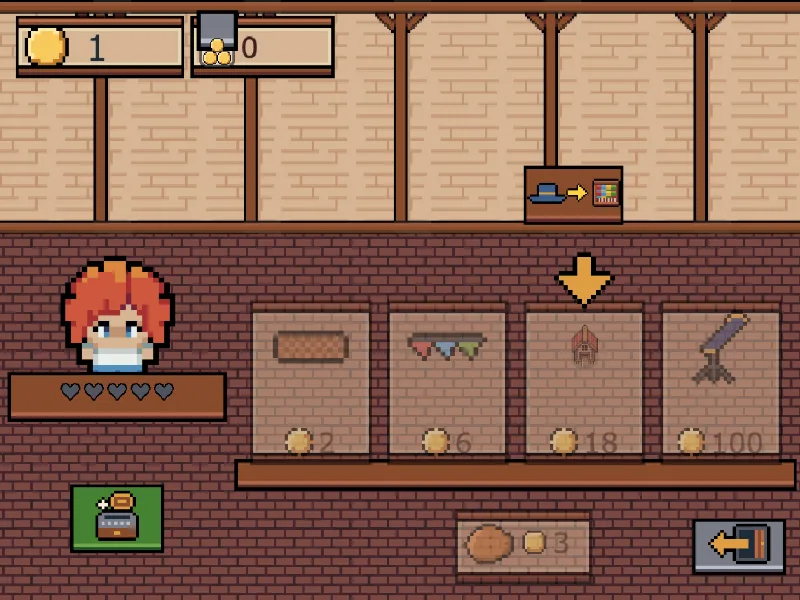
- What it pays for. At five, pocket money usually covers small treats and toys only. Everything the child needs is still bought by you.
- How long a goal should take. Pick an amount that lets your child buy a small treat most weeks, or save for two or three weeks for something bigger. If they can buy everything they want at once, there is nothing to learn about saving.
- How it grows. Some families use a simple rule, such as an amount per year of age, so the raise each birthday is automatic and never argued about.
Coins are better than notes at this age. Five coins can be counted, sorted and split between jars; one note cannot.
Should pocket money be tied to chores?
Parents disagree on this, and both sides have a point.
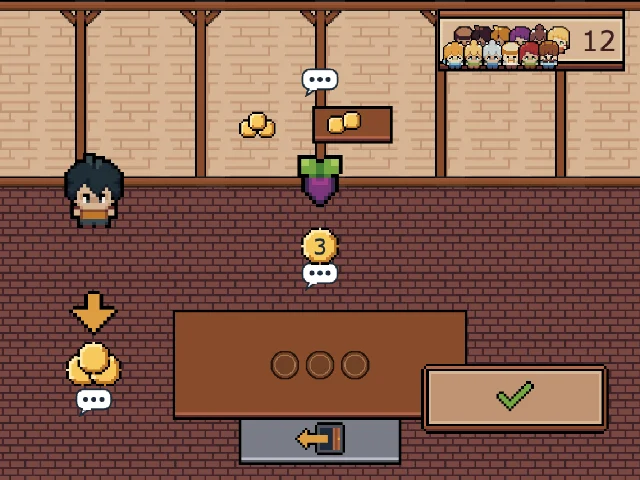
- Paid for jobs: it teaches that money is earned by doing something, which is the first idea most money guides start with.
- Not tied to jobs: family chores, like clearing your plate, are part of living together and should not be optional for a child who does not want the money that week.
Many families split the difference. A small base amount arrives every week with no strings, and a few extra jobs, beyond the everyday ones, can earn a little more. Good extra jobs for a five-year-old include sorting the socks, watering plants, washing plastic cups, or helping to carry the shopping in. Our list of age-appropriate chores has more ideas for each age.
A printable chore chart with money can help, with a circle for each job and the coins it pays, and an allowance chart with spend, save and give jars on the second page.
Spend, save, give: the three jars
The simplest way to make pocket money teach is to split it as it arrives. Use three clear jars, labelled with a word and a picture:

- Spend for small things now;
- Save for a goal, with a picture of the goal stuck on the front;
- Give for a gift, a cause or someone who needs it.
You can suggest a split, but let your child make the choice each week. Seeing the save jar fill up is the part that makes the lesson stick. Our guide to saving for a goal goes into how to choose a first goal and keep a young child motivated.
A few rules that make it work
- Same day, same amount. Reliable pocket money can be planned with. Forgotten pocket money teaches that money just turns up sometimes.
- No advances. If it is spent, it is spent until next week. That is the lesson.
- Their money, their choice. Advise, but do not veto a choice you would not make, as long as it is safe. A disappointing purchase teaches more than a forbidden one.
- Count it together. Counting coins into the jar is good maths practice and a moment to talk about the goal.
Practising with Pocketvale
Real pocket money comes once a week, so a child gets about fifty money decisions a year. Pocketvale is a free browser game for children of about 4 to 8 that lets them practise the same decisions many times over, with pretend coins.
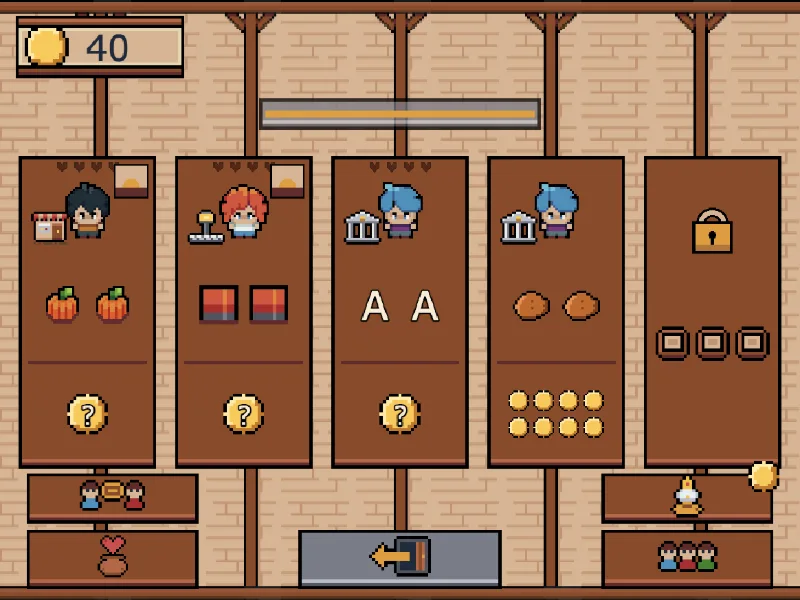
In the game, coins come only from doing things: jobs on the village board, a market stall, a garden. Harder jobs pay more. When a job pays, the child can choose to put coins into their purse, a jar for their wish, or a giving box, which is the three-jar idea from above. It is shown in pictures and spoken aloud, so a child does not need to read.
It works well alongside real pocket money: the game for practice, the jar on the shelf for the real thing.
Sources and further reading
What this guide leans on, from outside Pocketvale.
- Money as You Grow: young children (US Consumer Financial Protection Bureau). A US government guide for parents, with money ideas for young children.
- Jump$tart Coalition for Personal Financial Literacy. A US coalition that publishes standards for personal financial education.
How we wrote this
- We lean on official guidance. It is linked under Sources, and named in the text.
- Every picture of the game is a screenshot from the game itself.
- We make Pocketvale, so the sections about the game carry its name.
- Each page shows the day it was last changed.
- We are not financial advisers, and every family is different.
Who writes these guides
Pocketvale is made by a parent and software engineer, as a family project. We write these guides to share what building a money game for children aged 4 to 8 taught us.
Spotted a mistake? Tell us through the contact form. More about Pocketvale.
Let your child try it
Free to play in the browser, on an iPad, a tablet or a computer.
 Play Pocketvale
Questions parents ask
Is pocket money the same as an allowance?
Yes. "Pocket money" is the usual name in Australia, the UK and New Zealand, and "allowance" is the usual name in the US and Canada. The advice is the same.
Should a five-year-old get pocket money?
Many five-year-olds are ready for a small weekly amount, as long as they can count a few coins and understand that money is swapped for things. The amount matters less than paying it regularly and letting them choose what to do with it.
What should young children spend pocket money on?
Small treats, toys, stickers and saving for something bigger. Keep needs, like food and clothes, as things you pay for, so pocket money is about choices rather than worry.
What if my child spends it all at once?
Let it happen and do not top it up. Talk about it when they next see something they want. Running out once is one of the most useful money lessons there is.
More guides: teaching kids about money, age by age, and all our guides for parents.