
How to teach kids about money, age by age
Young children learn about money the way they learn everything else: by touching it, choosing with it and waiting for it. Here is what each age from three to eight can take in, and simple ways to teach it at home.

By the Pocketvale team. Published 22 October 2026, updated 14 November 2026.
Key takeaways
- Young children learn about money by touching it, choosing with it and waiting for it.
- At three and four, money is a thing you swap for something else.
- At five and six, a child can earn, choose and save for a first goal.
- At seven and eight, a child can plan, compare and wait longer.
Why start before school?
Money is abstract. A five-year-old cannot see a bank balance or a card payment, and most of the money adults spend never passes through a child's hands. So the first job is to make money something a child can see and hold, and to give them small, real choices with it.
The early lessons are not about sums. They are about four ideas that a child can feel: you earn money by doing something; you can save it; when you spend it, it is gone; and good things are often worth waiting for. The US Consumer Financial Protection Bureau's Money as You Grow guide for young children puts the same ideas in plain words a parent can use, such as "You may have to wait and save up money before you can buy something you want."
 Swap coins for things
 Earn a little
 Choose and compare
 Save for a goal
Ages 3 and 4: money is a thing you swap
At this age a child is learning that money is exchanged for things. Counting may still be shaky, and that is fine.
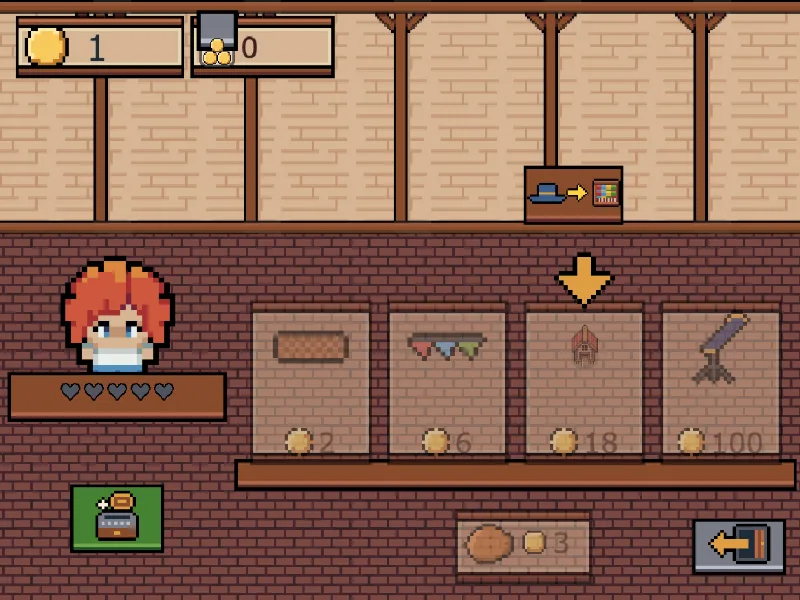
- Let them pay. At a shop or a market, hand your child the coins and let them give them to the person at the till. The swap is the lesson.
- Play shop. Price a few toys or snacks at one, two or three coins and take turns being the shopkeeper. Paying one coin at a time builds counting and the idea of a price together.
- Sort coins. Sorting real coins by size and colour is good early maths, and it teaches that coins are different from each other.
- Name the wait. When something has to wait until next week, say so out loud: "We are saving for that."
Ages 5 and 6: earning, choosing and a first goal
Most children of five and six can count small amounts and hold a goal in mind for a few days. This is a good age for a first regular amount of money, whether you call it pocket money or an allowance.
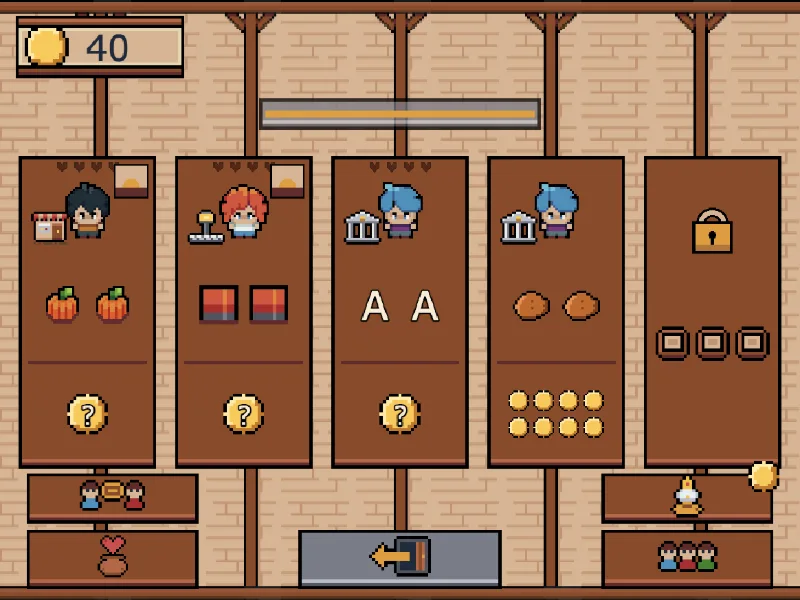
- A small, regular amount. Our guide to pocket money for young children covers how much, how often, and whether to link it to chores.
- A clear jar. A see-through jar shows the money growing in a way a bank account never can. Put a picture of the goal on the front.
- One choice at a time. Give a small budget at a shop and let your child pick. If they spend it all on the first thing they see, that is a lesson too, and a cheap one.
- Needs and wants. Start sorting everyday things into "must have" and "nice to have". Our needs and wants guide has activities for this.
Ages 7 and 8: planning, comparing and longer goals
By seven or eight, many children can add up a few prices, compare two options and save for a few weeks.
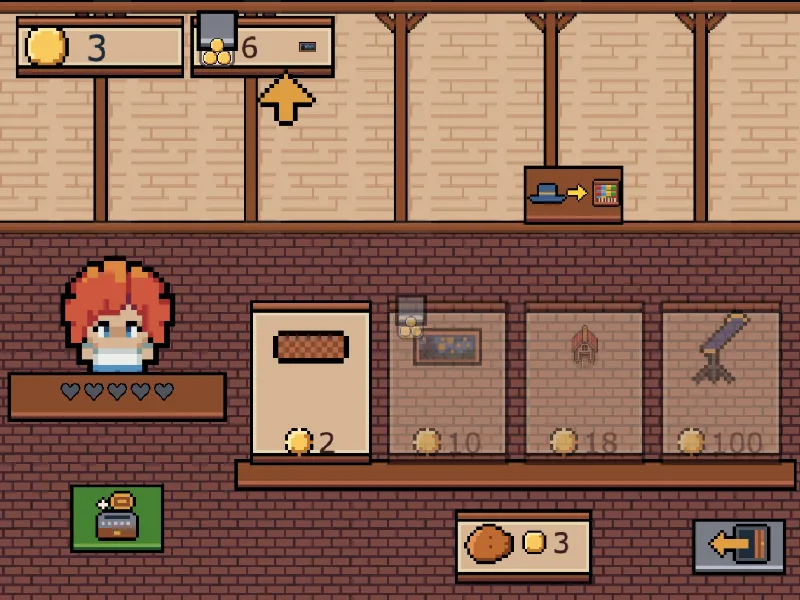
- Bigger goals. Let them save for something that takes several weeks. Talk about how close they are each time money goes in.
- Compare before buying. The CFPB's guide for school-age children suggests children "Try shopping around and comparing prices and features before you buy." Two toys, two prices: which is better value, and why?
- Spend, save and give. Splitting money into three jars as it arrives makes saving and giving a habit, not an afterthought.
- Talk about your own choices. Children learn a lot by hearing how adults decide. "We are not buying that today because we are saving for the holiday" is a money lesson.
Everyday habits that help at any age
- Be consistent. Money that arrives on the same day each week is easier to plan with.
- Let small mistakes happen. A child who spends everything and then sees something better learns more from that than from a lecture. Do not rescue them with an advance.
- Keep it positive. Money talk with young children works best when it is about choices and goals, not worry.
- Use play. Games let a child practise choices many times over with nothing real at stake. Our list of money games for kids has ideas with and without a screen.
Where Pocketvale fits
Pocketvale is a free browser game we made for children of about 4 to 8, built around those same four ideas. A child cares for a pet in a little pixel-art village. They earn coins at small jobs and at a market stall, where every coin is counted out one at a time. They choose what to buy at the shop, and they pick a wish and save for it in a jar they can watch fill up.
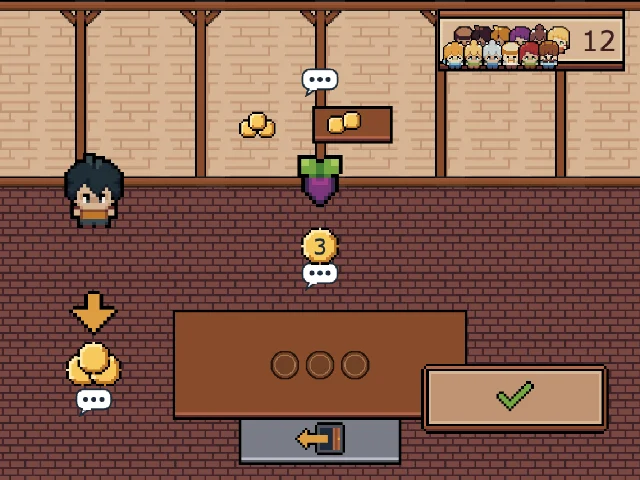
Every goal in the game is shown in pictures and spoken aloud, so a child who cannot read yet can still play. Seeds in the garden grow over real days, so waiting is part of the game rather than a timer to skip. It plays in the browser on an iPad, a tablet or a computer, with touch or a keyboard, and there is no sign-up.
A game is not a replacement for real coins and real conversations. It is extra practice: lots of small choices, with nothing real to lose, that you can talk about together afterwards.
Sources and further reading
What this guide leans on, from outside Pocketvale.
- Money as You Grow: young children (US Consumer Financial Protection Bureau). A US government guide for parents, with money ideas for young children.
- Jump$tart Coalition for Personal Financial Literacy. A US coalition that publishes standards for personal financial education.
- PISA (OECD). The programme that measures how well young people understand money across many countries.
How we wrote this
- We lean on official guidance. It is linked under Sources, and named in the text.
- Every picture of the game is a screenshot from the game itself.
- We make Pocketvale, so the sections about the game carry its name.
- Each page shows the day it was last changed.
- We are not financial advisers, and every family is different.
Who writes these guides
Pocketvale is made by a parent and software engineer, as a family project. We write these guides to share what building a money game for children aged 4 to 8 taught us.
Spotted a mistake? Tell us through the contact form. More about Pocketvale.
Try it with your child
It opens in the browser. There is nothing to install.
 Play Pocketvale
Questions parents ask
What age should I start teaching my child about money?
You can start as soon as your child is curious about shops and paying, often around three. Begin with letting them hand over coins and playing shop, and add a small regular amount of money at around five or six.
Should young children use real money or pretend money?
Both help. Real coins make money feel real and give practice with your own currency. Pretend money and games let a child make many more choices, and mistakes, than real money would allow.
What is the most important money lesson for a five-year-old?
That money is limited and you choose what to do with it. Once a child sees that spending on one thing means not having another, saving and waiting start to make sense.
Is Pocketvale free?
Yes. It is free to play in the browser, with no account needed.
More guides: how to help a child save for a goal, financial literacy for kindergarten, and all our guides for parents.