
Money games for kids aged 4 to 8
Games are the easiest way to teach young children about money, because a game lets them make the same choice again and again. Here are money games to play at home with nothing but coins and toys, and what to look for in a money game on a screen.

By the Pocketvale team. Published 22 October 2026, updated 14 November 2026.
Key takeaways
- Games work for money because a child can make the same choice again and again.
- You can play shop, coin sorting and which-costs-more at home with coins and toys.
- On a screen, look at what a game teaches and what it asks of your child.
Why games work for money
Money is a set of ideas: things have prices, money runs out, saving gets you something bigger later. Young children learn ideas like these best by doing them, and they need many goes before an idea settles. A game gives them those goes quickly, and a wrong choice costs nothing but a laugh.
The best money games for this age have three things in common. Money is counted, not just shown as a number. There are more things to buy than money to buy them, so every choice matters. And there is a reason to wait, so saving can win.
 Count coins
 Run a shop
 Compare prices
 Save to win
Money games to play at home
1. Shop
The classic. Put price tags of one to five coins on toys or snacks, give your child a small purse of real or pretend coins, and take turns being shopkeeper and shopper. For younger children, pay one coin at a time and count out loud. For older ones, price two things together and ask if there is enough for both.
2. Coin sort and coin match
Tip a handful of mixed coins onto the table and sort them into piles by kind. Then match each pile to a picture or a written value. It teaches that coins are different and that a small coin can be worth more than a big one, which surprises many children.
3. Which costs more?
Cut out pictures of things from a catalogue or a supermarket leaflet. Pick two and ask which costs more, then check the price. It is quick, it works in a car or a queue, and it starts conversations about why some things are dear and others are cheap.
4. Save to win
Draw a short track on paper with a prize at the end, such as choosing the film on Friday. Each time your child puts a coin in their savings jar, they move one square. It turns saving into something they can see moving.
5. One coin, two choices
At the shop, give your child enough for one small thing and let them choose between two. Afterwards, ask if they are happy with the choice. This is the heart of every money lesson: choosing one thing means not having the other. Our guide to needs and wants builds on this.
6. Board games with money
Classic board games that use money are a good next step for children of seven and up: counting change, paying rent and deciding when to buy are all real money ideas in disguise.
What to look for in a money game on a screen
A screen game can give a child far more practice than real money ever could, but they vary a lot. These questions help sort the useful ones from the rest:
- Are coins earned in the game? If coins pour in for nothing, the game teaches that money is free.
- Is money counted, or only shown as a number? A young child learns more from tapping coins one at a time than from reading a total.
- Is there a reason to save? Look for something worth waiting for that cannot be bought straight away.
- Can a pre-reader play? At four to six, a child needs pictures and spoken words, not instructions to read.
- Is it calm to stop? Games that nag a child to come back, or make them feel bad for leaving, are best avoided at this age.
- What does it ask of you? Check whether it needs an account, what it collects, and whether real money can be spent in it.
Free money games for kids, compared
For a child aged 4 to 8, the free options are Peter Pig's Money Counter for coin counting, the PBS KIDS Games app for broad maths, the US Mint's coin games and Money Pieces for teaching. Pocketvale is the one built around earning, saving and choosing.
We made Pocketvale, so we are not neutral. Every fact about another product below links to where we read it, with the day we checked (13 November 2026). Where we found no source for a fact, the cell says so instead of guessing, and products change, so check before you rely on one.
| Game | Age | Cost and ads | Device | What it teaches | Does better than us |
|---|---|---|---|---|---|
| Pocketvale (ours) | 4 to 8. A pre-reader can play: goals are pictured and spoken. | Free to play. No ads. No account. | Browser on an iPad, tablet or computer, with touch or keyboard. | Earning coins, counting them, saving for a goal, choosing between wants. | Not applicable. |
| Peter Pig's Money Counter | Rated 4+ by Common Sense Media. | Free. One small advert for Visa, its publisher, at the foot of the page. Source, checked 2026-11-13. | An app. Last updated in 2016 per the same page. | Sorting, counting and adding US coins, in three levels. | Real coin faces and short drills in coin counting, if you want exactly that. |
| PBS KIDS Games | Games for ages 2 to 8; rated 4+ in the App Store. Source, checked 2026-11-13. | Free. The listing does not mention in-app purchases and reports only usage data not linked to the child. The listing does not mention ads. | An app that works offline, plus games on the PBS KIDS site. | Many curriculum games, in English and Spanish. It is not a money game: the Cyberchase pages, made for ages 8 to 11, hold money only as a craft (source, checked 2026-11-13). | Far more games, familiar characters, Spanish, and a trusted broadcaster behind it. |
| US Mint H.I.P. Pocket Change | Counting with Coins is for kindergarten to grade 2. Source (CoinWeek, 25 September 2018), checked 2026-11-13. | We found no source for its cost or ads. | Website. | Coins and making change, in six games at its 2018 relaunch. | An official source for coin facts and making change, from the people who mint the coins. |
| Money Pieces | Listed 4+ in the App Store. Source, checked 2026-11-13. | Free. The developer states it does not collect any data from the app. The listing does not mention ads. | Designed for iPad; also listed for Mac and Apple Vision. | A tool, not a game: virtual coins and bills to exchange and compare, and area pieces where one square is a penny. It comes from the nonprofit Math Learning Center (source, checked 2026-11-13). | Bills as well as coins, and a good fit for a teacher or parent guiding a child by hand. |
The honest reading: for coin drills, Peter Pig and the Mint are more focused than we are. For a trusted all-round library, PBS KIDS wins. For a guided lesson with a grown-up, Money Pieces is excellent. We use plain gold coins rather than one country's money, and we have no bills, no characters from television and no multiplayer. What the others do not offer is a child earning coins at jobs, a shop that holds more than a purse can buy, and a jar that fills as coins are saved.
Pocketvale: a free money game in the browser
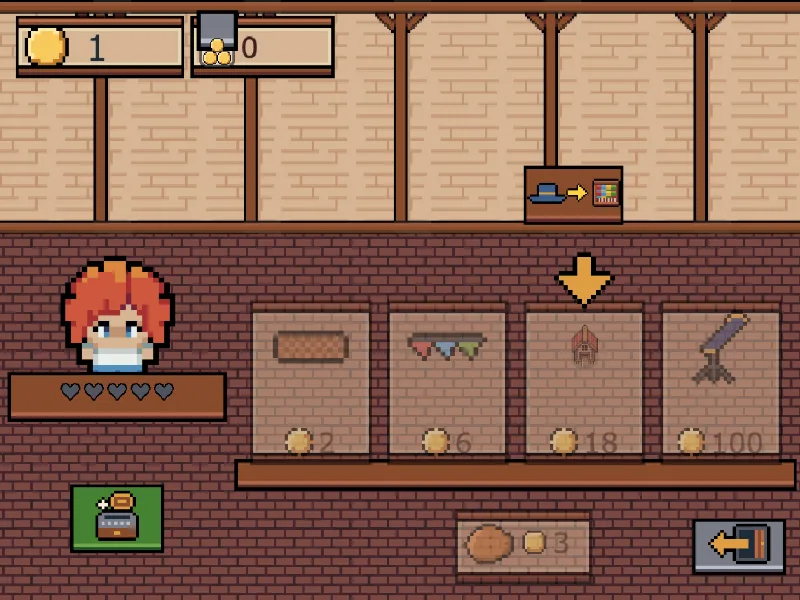
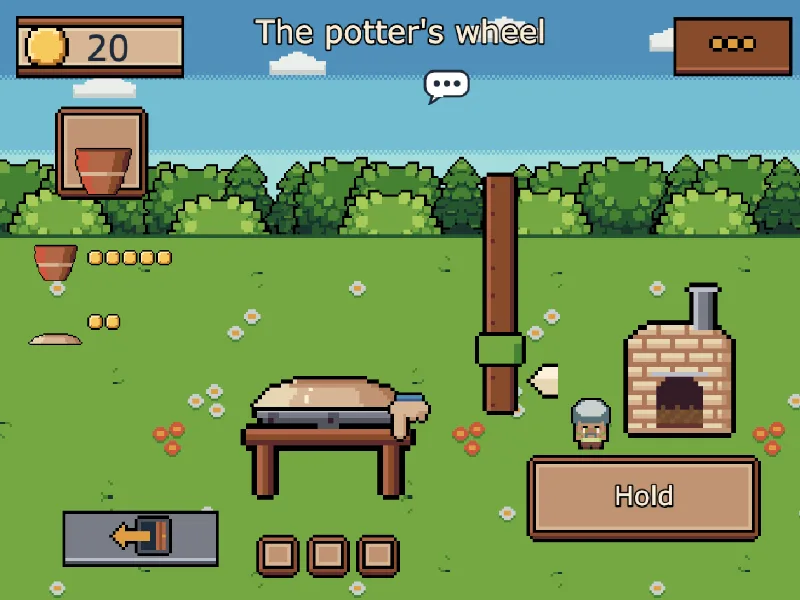
We made Pocketvale to tick those boxes for children of about 4 to 8. A child looks after a pet in a small village. Coins are earned at jobs and at a market stall, where each coin is tapped and counted. The shop holds more than one purse can buy, so a child has to choose, and the wish jar fills coin by coin as they save for something bigger.
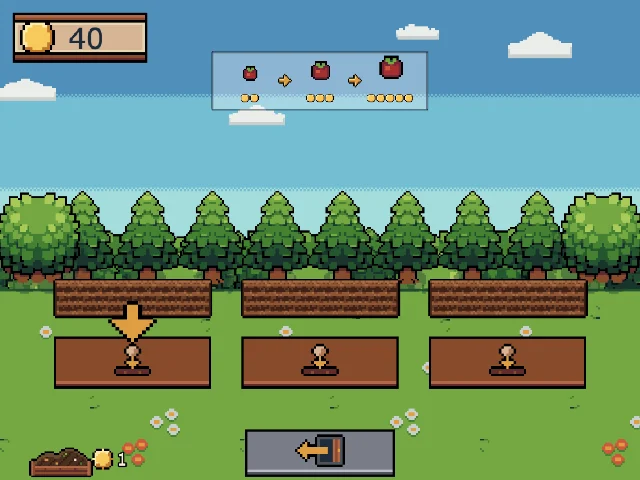
Waiting pays in the game too. Seeds grow over real days, and a crop left longer is worth more coins. Every goal is shown in pictures and spoken aloud, so a child who cannot read yet can play. It runs in the browser on an iPad, a tablet or a computer, with touch or a keyboard, and needs no account.
Sources and further reading
What this guide leans on, from outside Pocketvale.
- Money as You Grow: young children (US Consumer Financial Protection Bureau). A US government guide for parents, with money ideas for young children.
- Council for Economic Education. A US nonprofit that publishes economics and personal finance standards for schools.
How we wrote this
- We lean on official guidance. It is linked under Sources, and named in the text.
- Every picture of the game is a screenshot from the game itself.
- We make Pocketvale, so the sections about the game carry its name.
- Each page shows the day it was last changed.
- We are not financial advisers, and every family is different.
Who writes these guides
Pocketvale is made by a parent and software engineer, as a family project. We write these guides to share what building a money game for children aged 4 to 8 taught us.
Spotted a mistake? Tell us through the contact form. More about Pocketvale.
Play Pocketvale
It opens right here in the browser. There is nothing to install.
 Play Pocketvale
Questions parents ask
What is a good first money game for a four-year-old?
Playing shop with a few toys priced at one, two or three coins. Paying one coin at a time teaches counting and the idea of a price together, and it needs nothing you do not already have.
Are online money games good for kids?
They can be, if coins are earned rather than handed out, money is counted rather than only shown as a number, and there is a reason to save. Play alongside your child at first and talk about the choices they make.
Does Pocketvale use dollars or pounds?
Neither. The game uses plain gold coins, so it works the same for children in Australia, the UK, the US or anywhere else. It teaches counting, saving and choosing rather than one country's coins.
Does it work on an iPad?
Yes. It was made for an iPad and plays in Safari. You can also add it to the home screen, where it opens full screen and works without the internet.
More guides: choosing a virtual pet game for a young child, and all our guides for parents.