
Needs and wants for kids: how to teach the difference
"Needs come before wants" is one of the first money ideas a child meets, at home and in the first years of school. Here is how to explain it to a four- to eight-year-old, with examples, activities and the tricky cases.

By the Pocketvale team. Published 22 October 2026, updated 14 November 2026.
Key takeaways
- Needs come before wants, and the guide gives examples a child can follow.
- A picture sort and the supermarket game make the difference concrete.
- The guide also covers common mistakes and the tricky cases.
How to explain needs and wants
Keep it to one sentence a child can repeat: a need is something you must have to live and be well; a want is something nice to have. The US Consumer Financial Protection Bureau's Money as You Grow guide for young children puts it just as simply: "There's a difference between things you need and things you want."
Then add the part that makes it a money lesson: money pays for needs first, and what is left can go on wants. Without that second sentence, needs and wants is a sorting game. With it, it is how a family budget works.
 Name the needs
 Sort the wants
 Needs first, then a want
Needs and wants examples for children
Needs
Food and water, a home, clothes for the weather, shoes that fit, medicine when you are ill, a bed, getting to school.
Wants
Sweets and treats, toys, a new game, a party, a second pair of trainers, a takeaway, a pet's fancy toy.
Children quickly spot the tricky cases, and those make the best conversations. Food is a need, but is an ice cream? Shoes are a need, but are light-up shoes? The answer is usually that the need is the plain version and the extra is the want. Saying so out loud teaches a child that a want hiding inside a need is still a want.
Needs and wants activities
Picture sort
Cut pictures from a catalogue or a magazine and sort them into two piles, or glue them onto two halves of a page. Ask your child to explain a few of their choices; the reasons tell you more than the piles.
The supermarket game
Before you shop, write or draw a short list together. At the shop, your child is the list-keeper. Anything not on the list is a want, and you decide together whether there is money left for one.
Desert island
"We are going to an island for a week, and we can take five things. What do we pack?" Children work out for themselves that water and a blanket beat a tablet.
Needs first, then a want
Give your child a small budget and a pretend shopping trip with one need (bread, say) and a few wants. They buy the need first, then see what is left. This is the version that ties the idea to money, and it matches how our age-by-age guide to teaching kids about money builds from five upwards.
Want something ready to print? Our free needs and wants sort has a sorting mat, twelve picture cards to cut out and a worksheet.
Common mistakes
- Making wants sound bad. Wants are fine. Treats and toys are what pocket money is for. The lesson is the order, not the guilt.
- Only sorting, never choosing. A child can sort pictures perfectly and still not feel the idea. It lands when a want has to wait because a need came first.
- Treating every case as clear. Many things depend on the family and the situation. Saying "it depends, and here is why" is a better answer than pretending there is one right pile.
Needs and wants in Pocketvale
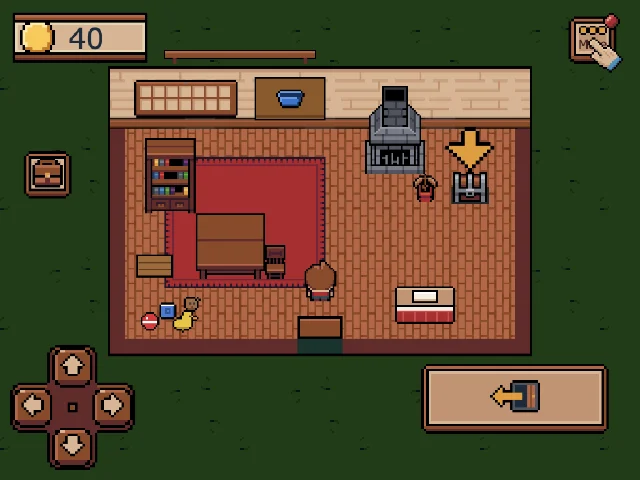
Pocketvale is a free browser game for children of about 4 to 8, and needs and wants are built into its pet care. In the pet corner, a hungry pet sits next to a bowl of food and a bouncy ball. When the pet is hungry, the game asks what the pet needs first, and the ball waits: "Food first!" Once the pet has eaten, the same ball is for sale again. The want is not wrong; it is second.
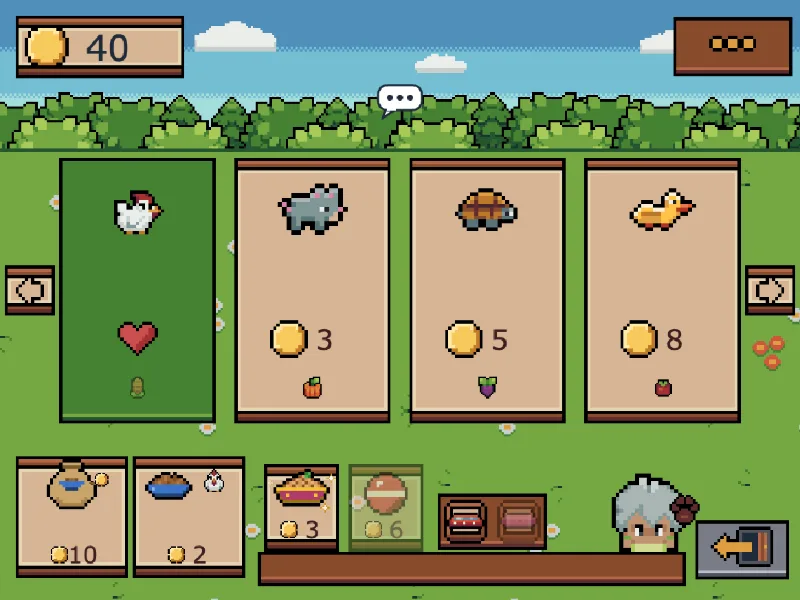
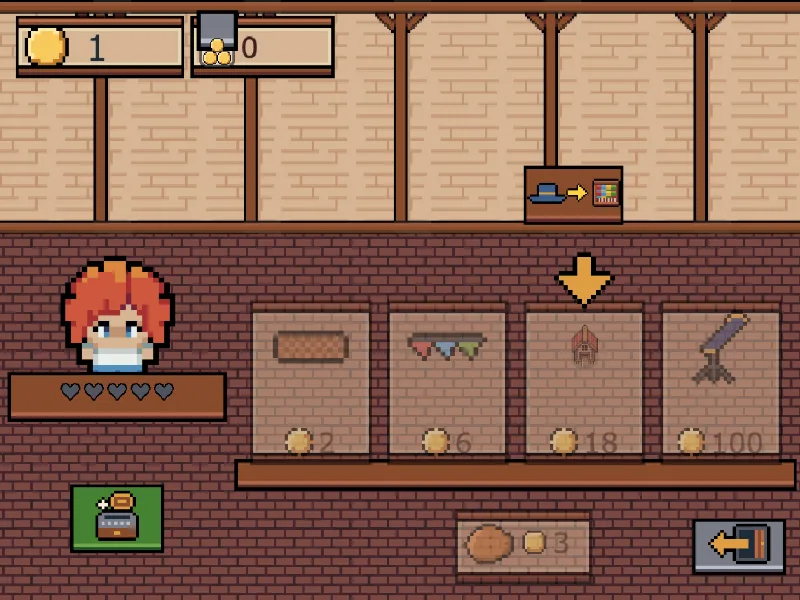
Food in the game is cheap and the ball is dear, so a child with only a few coins can always choose well. The shop holds more than one purse can buy, so choosing between wants comes up too. Every question is spoken aloud and shown in pictures, so a child does not need to read.
Sources and further reading
What this guide leans on, from outside Pocketvale.
- Money as You Grow: young children (US Consumer Financial Protection Bureau). A US government guide for parents, with money ideas for young children.
- Council for Economic Education. A US nonprofit that publishes economics and personal finance standards for schools.
How we wrote this
- We lean on official guidance. It is linked under Sources, and named in the text.
- Every picture of the game is a screenshot from the game itself.
- We make Pocketvale, so the sections about the game carry its name.
- Each page shows the day it was last changed.
- We are not financial advisers, and every family is different.
Who writes these guides
Pocketvale is made by a parent and software engineer, as a family project. We write these guides to share what building a money game for children aged 4 to 8 taught us.
Spotted a mistake? Tell us through the contact form. More about Pocketvale.
See it in the game
Free to play in the browser. There is nothing to install.
 Play Pocketvale
Questions parents and teachers ask
At what age can children understand needs and wants?
Many children can sort clear examples, like food and toys, from about four or five. Understanding the harder cases, and choosing a need over a want with their own money, takes longer and keeps developing through the early school years.
Is a pet a need or a want?
Getting a pet is a want. But once you have one, its food, water and care become needs, because the pet depends on you. That is a useful way to show children that choices about wants can create new needs.
How do I teach needs and wants without making my child feel bad for wanting things?
Make the lesson about order, not right and wrong. Needs are paid for first, and wants come after. Wanting things is normal, and saving for a want is something to be proud of.
More guides: helping a child save for something they want, and all our guides for parents.