
Virtual pet games online for kids: how to choose
A good virtual pet game turns a child's love of caring into small daily habits: feeding, caring, planning ahead. Here is what to look for when you choose one for a child of about four to eight, and how Pocketvale uses pet care to teach money.

By the Pocketvale team. Published 22 October 2026, updated 14 November 2026.
Key takeaways
- A good pet game turns a child’s love of caring into small daily habits.
- Check who your child can talk to, whether real money can be spent and whether it guilt-trips.
- Ask whether there is anything to learn, such as saving for a wish.
What a virtual pet can teach
Caring for a pet, even a pretend one, asks a child to think about someone else's needs. The pet is hungry, so it needs food. It is bored, so it wants to play. These are early lessons in responsibility and in noticing what others need, and they come naturally because the child wants the pet to be happy.
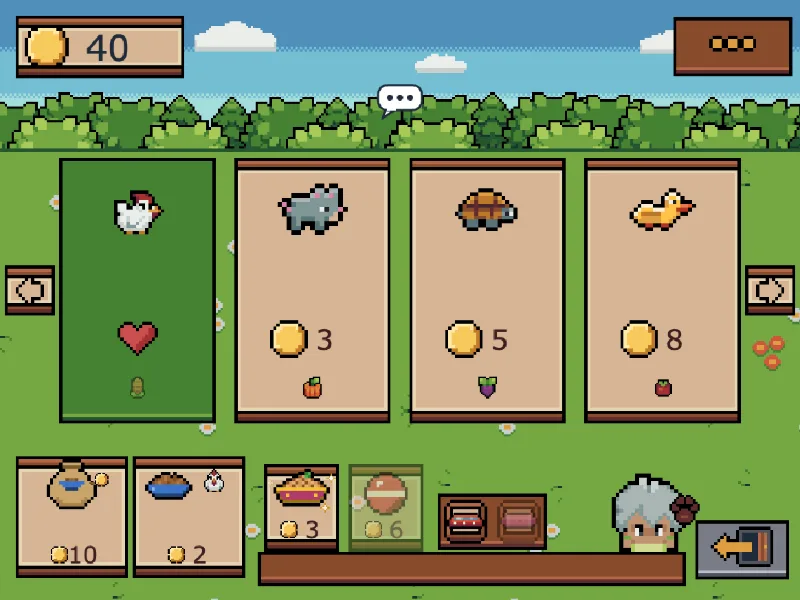
The best pet games add a reason to plan. If food costs something, a child has to think about where it comes from. If the pet's home can be improved, there is something to work and save towards. That is where a pet game becomes a gentle way to learn about money, which is the idea behind Pocketvale.
 Care for the pet
 Earn coins
 Choose what to buy
A checklist for parents
Pet games range from calm and thoughtful to noisy and pushy. These questions help you tell them apart before you hand over the tablet.
Who can my child talk to?
Some pet games are online worlds with chat and other players. For young children, a game with no chat at all is the simplest and safest choice.
Can real money be spent?
Check whether the game sells anything for real money, and whether purchases need a password. On a shared device, turn on the purchase settings your device offers.
What does it collect?
Look for a short, plain privacy policy. A game for young children should not need an email, a full name or a way to contact your child.
Does it guilt-trip?
Some pet games make the pet sad, sick or lost if a child stays away, or reward daily streaks. That can make a game hard to put down. Look for one that is happy to be left and picked up again.
Can my child play it without reading?
At four to six, many children are only starting to read. Pictures and spoken instructions make the difference between a game they play and one they need help with.
Is there anything to learn?
Pet games can be pure fun, and that is fine. But if you want learning too, look for choices that matter: things that cost something, goals to work towards, and rewards for waiting.
Free virtual pet games online
Most virtual pet games you can play online are free to start, and that word covers a lot. Some are free because the game shows adverts. Some are free until a child wants the good bits, which sit behind a paid membership or a currency bought with real money. Some are free because a toy company wants you to buy the toy. A few are simply free.
Before you let a child fall in love with a free pet, find out which kind it is. Read the game's own page for the words "membership", "premium" and "ads". Look at what the pet needs, and whether a child can meet that need by playing, or only by paying. Our pages on games like Webkinz and games like Neopets compare the best-known ones fairly. For a child who has not started school, our page on free games for 5 year olds is a better place to start.
Pocketvale: a pet game about money
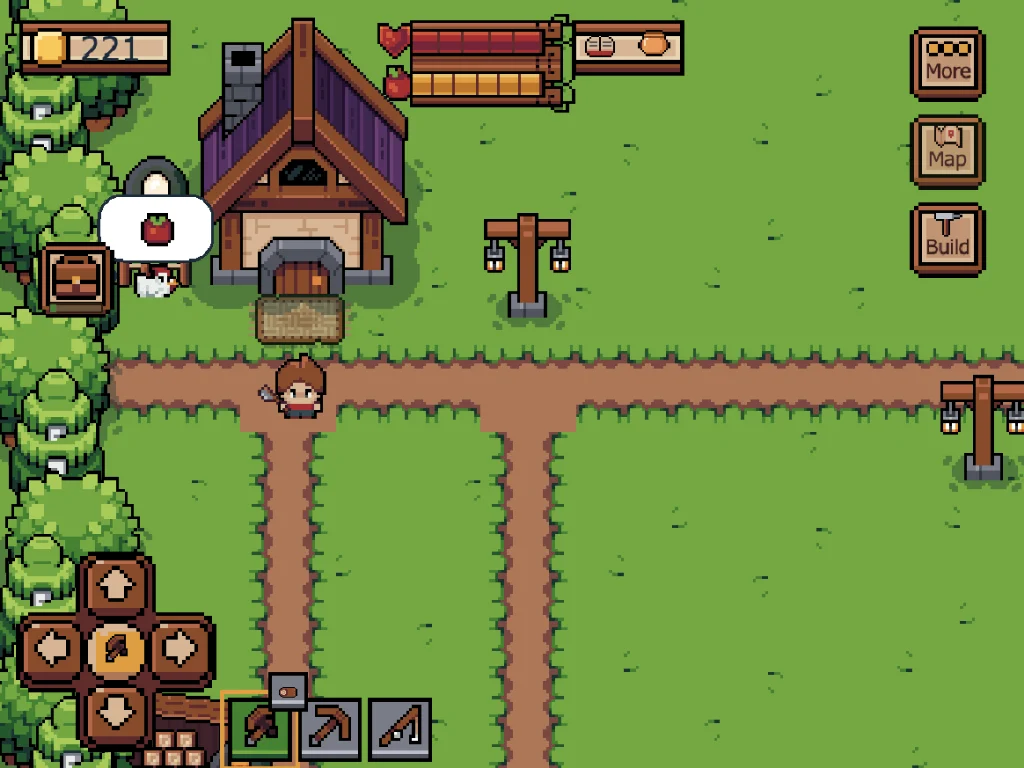
Pocketvale is a free virtual pet game for children of about 4 to 8 that plays in the browser on an iPad, a tablet or a computer. A child looks after a pet chicken in a small pixel-art village, furnishes a home, and can save up for more animals at the pen. The pet has food and love meters, and a hungry pet needs feeding before it gets a new toy.
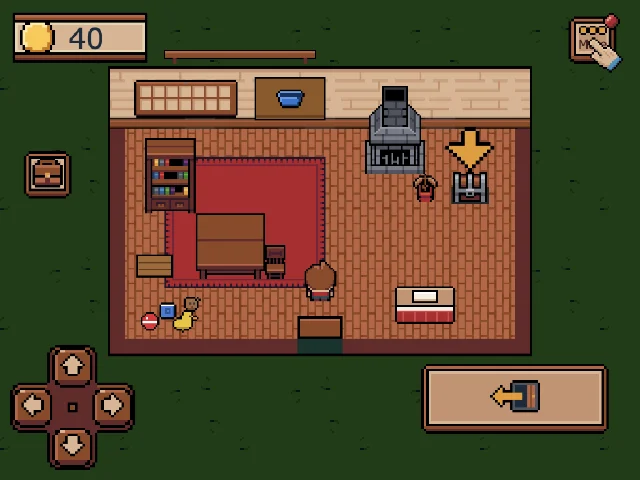
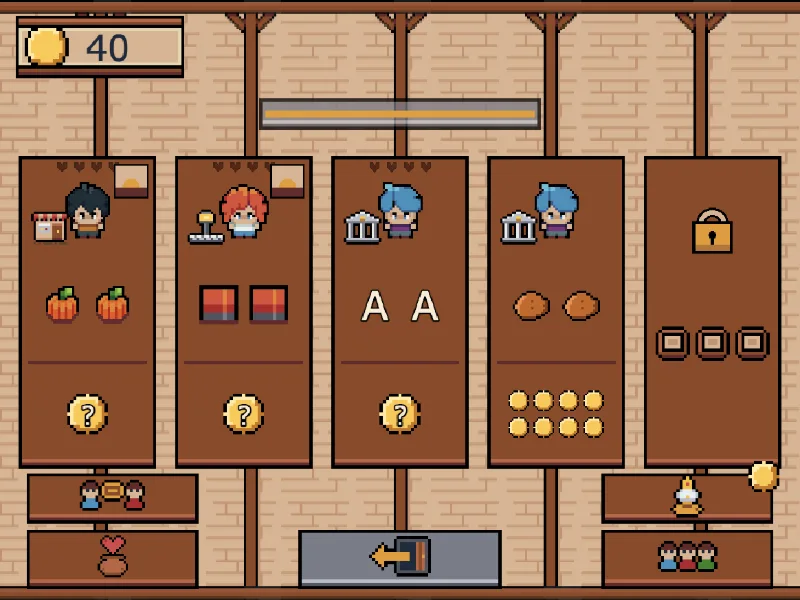
The money lessons come from pet care. Coins are earned at little jobs, a market stall and a garden. A child chooses how to spend them, or picks a wish for the pet's home and saves for it in a jar they can watch fill. Our guide to saving for a goal explains why that visible jar matters so much.
- No ads. There are no ads in the game or on this site.
- No accounts. No sign-up, no email and no password.
- No chat. There are no other players and no links out of the game.
- Plays before reading. Every goal is shown in pictures and spoken aloud.
- Easy to stop. There are no streaks to keep, and no sad pet when it is time to go.
- Touch or keyboard. Made for an iPad; arrow keys and Space work too.
- Saved on the device. Up to three children can each keep their own game on one tablet.
Sources and further reading
What this guide leans on, from outside Pocketvale.
- Money as You Grow: young children (US Consumer Financial Protection Bureau). A US government guide for parents, with money ideas for young children.
- Council for Economic Education. A US nonprofit that publishes economics and personal finance standards for schools.
How we wrote this
- We lean on official guidance. It is linked under Sources, and named in the text.
- Every picture of the game is a screenshot from the game itself.
- We make Pocketvale, so the sections about the game carry its name.
- Each page shows the day it was last changed.
- We are not financial advisers, and every family is different.
Who writes these guides
Pocketvale is made by a parent and software engineer, as a family project. We write these guides to share what building a money game for children aged 4 to 8 taught us.
Spotted a mistake? Tell us through the contact form. More about Pocketvale.
Meet your pet
It opens right here in the browser. There is nothing to install.
 Play Pocketvale
Questions parents ask
Is Pocketvale free?
Yes. It is free to play in the browser, and there is no account to make. It has no ads.
Does it need a download?
No. It plays in the browser. On an iPad you can also add it to the home screen, where it opens full screen and works without the internet.
What age is it for?
Children of about 4 to 8. It starts with counting coins one at a time and gets harder as a child gets better at it.
Will the pet be sad if my child stops playing?
No. The game is made to be easy to stop. There are no streaks, and the pet is never sad that a child has left.
More guides: money games for kids aged 4 to 8, and all our guides for parents.