
Financial literacy for kindergarten and preschool
Financial literacy starts early. Children of four to six can learn that money is earned, that spending means choosing, that saving gets you something bigger, and that money can help others. This guide gives teachers and parents simple, hands-on ways to start.

By the Pocketvale team. Published 29 October 2026, updated 14 November 2026.
Key takeaways
- Children of four to six can learn that money is earned and that spending means choosing.
- They can also learn that saving gets something bigger, and that money can help others.
- Keep it concrete: real coins, real things and short activities.
What financial literacy means at five
At this age financial literacy is not about bank accounts or budgets. It is about a few big ideas, met through play and everyday life, until they feel obvious. A kindergarten child does not need to know what a percentage is. They do need to know that the coins in a jar are still there tomorrow, and that if they spend them today, they are gone.
The CFPB's Money as You Grow guide for young children starts in the same place, with simple ideas a young child can practise, such as waiting and saving up before buying something they want.
 Money is earned
 Spending is choosing
 Saving gets more
 Money can help
Four ideas young children can learn
- Earning. Money comes from doing something. Grown-ups get money for the work they do.
- Spending is choosing. You cannot have everything, so buying one thing means not buying another.
- Saving. If you keep money instead of spending it, you can get something bigger later.
- Sharing. Money can be used to help other people, as well as ourselves.
Needs and wants sit across all four: some things we must have, and some things we would like. Our guide to needs and wants for kids has activities just for that idea.
Eight kindergarten money activities
1. The class shop
Set up a shop corner with toys or pictures priced from one to five coins. Children take turns as shopkeeper and customer. Keep prices small enough to count out one coin at a time.

2. A job chart that pays tokens
Classroom jobs such as watering the plants or handing out paper earn a token. Tokens can be spent at the class shop, so earning and spending connect.
3. A class savings goal
Choose something the class wants, such as a new ball, and fill a clear jar with tokens or pom-poms towards it. Draw a line on the jar where "enough" is, and count it together each week.
4. Needs and wants sort
Give small groups a pile of picture cards (bread, a coat, a toy car, sweets) and two hoops. Let them sort, then talk about the cards they disagreed on.
5. Coin sorting and counting
Sorting coins by size and colour, then counting each pile, builds the number skills money needs. Real coins can be a choking risk for children who still put things in their mouths, so use large play coins or coin rubbings with younger groups.
6. Now or later
Offer a small, real choice: one sticker now, or two at the end of the week. Talk about who chose which, and how it felt to wait.
7. A giving project
Collect something for others, such as food for a local food bank or books for a younger class. Children learn that sharing is part of what money and things are for.
8. Money stories
Picture books make money ideas easy to talk about. A Chair for My Mother by Vera B. Williams is about a family saving coins in a jar, and Bunny Money by Rosemary Wells follows Max and Ruby spending their savings on a birthday present for Grandma. Ask "what would you have done?" at the end.
For a ready-made activity, print the needs and wants sort or the piggy bank coloring page. Both are free, and both come in A4 and US Letter.
Keep it concrete
Young children learn money with their hands and eyes. Real objects beat worksheets, a jar beats a number, and a small choice they make themselves beats a lesson they hear. Repeat the same few ideas often, in different ways, rather than racing ahead. For what comes next at each age, see our age-by-age guide to teaching kids about money.
Using Pocketvale at school or at home
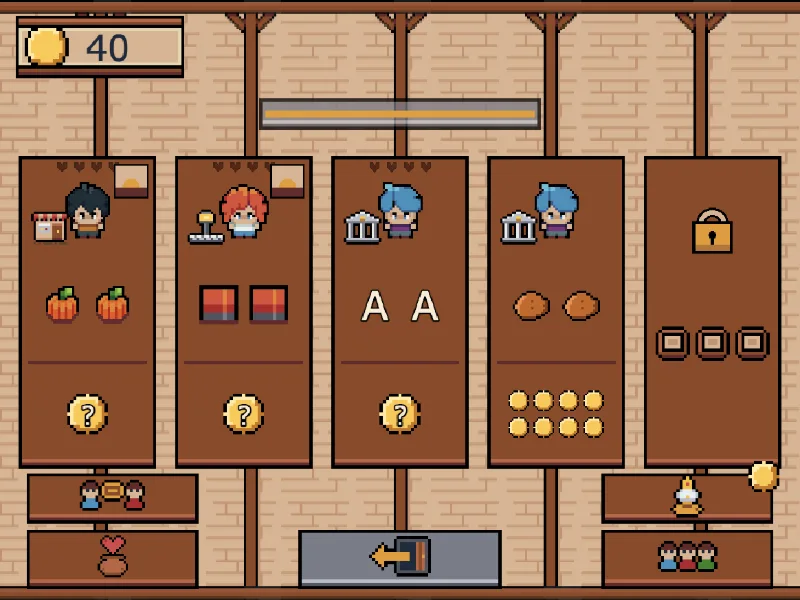
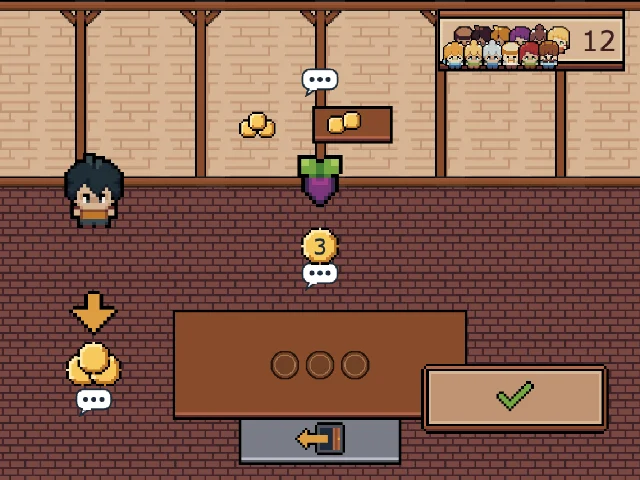
Pocketvale is a free browser game we made for children of about 4 to 8, built around the same four ideas. A child cares for a pet in a little village, earns coins at small jobs and a market stall, chooses what to buy, saves for a wish in a jar they can watch fill, and can put coins in a giving box.
Some things teachers ask about:
- Pre-readers can play. Every goal is shown in pictures and spoken aloud.
- No accounts. It opens in the browser on an iPad, a tablet or a computer, with no sign-up and nothing to install.
- Small groups. Each device keeps up to three children's games, so it suits a tablet corner with a few children taking turns better than a whole class at once.
- Plain coins. The game uses simple gold coins, not any country's money. It practises counting and choices, not recognising real coins, so pair it with real coin activities.
Sources and further reading
What this guide leans on, from outside Pocketvale.
- Money as You Grow: young children (US Consumer Financial Protection Bureau). A US government guide for parents, with money ideas for young children.
- Council for Economic Education. A US nonprofit that publishes economics and personal finance standards for schools.
- Jump$tart Coalition for Personal Financial Literacy. A US coalition that publishes standards for personal financial education.
How we wrote this
- We lean on official guidance. It is linked under Sources, and named in the text.
- Every picture of the game is a screenshot from the game itself.
- We make Pocketvale, so the sections about the game carry its name.
- Each page shows the day it was last changed.
- We are not financial advisers, and every family is different.
Who writes these guides
Pocketvale is made by a parent and software engineer, as a family project. We write these guides to share what building a money game for children aged 4 to 8 taught us.
Spotted a mistake? Tell us through the contact form. More about Pocketvale.
Try it before class
Free to play in the browser, on an iPad, a tablet or a computer.
 Play Pocketvale
Questions teachers and parents ask
What should kindergarteners learn about money?
Four big ideas: money is earned by doing something, spending means choosing, saving gets you something bigger later, and money can help others. Counting coins and telling needs from wants support all four.
Is five too young for financial literacy?
No. Five-year-olds will not understand banks or budgets, but they can learn the foundations through play, real choices and a jar they can see. Those habits make later lessons much easier.
Does Pocketvale teach children to recognise real coins?
No. The game uses plain gold coins so it works in any country. It practises counting, choosing and saving, so it works best alongside activities with real coins.
Ready-made classroom lessons, each with a game screen and a printable, are on the teachers page. More guides: money games for kids aged 4 to 8, needs and wants, and all our guides for parents and teachers.