
Age-appropriate chores for children aged 4 to 7
Young children usually want to help. A four-year-old who begs to stir the soup is offering you the start of a habit. These lists show what children of four, five, six and seven can really manage, how to make jobs stick, and how chores connect to money.

By the Pocketvale team. Published 29 October 2026, updated 14 November 2026.
Key takeaways
- Young children usually want to help, and that is the start of a habit.
- Show a chore once, side by side, and use a picture chart.
- The guide weighs whether to pay children for chores.
Why chores matter at this age
Chores teach two things a child cannot learn from being told. The first is that a home runs because everyone in it does something. The second is that effort turns into results: the table is laid, the plants are watered, the socks are in pairs. Both ideas sit underneath every later lesson about earning money.
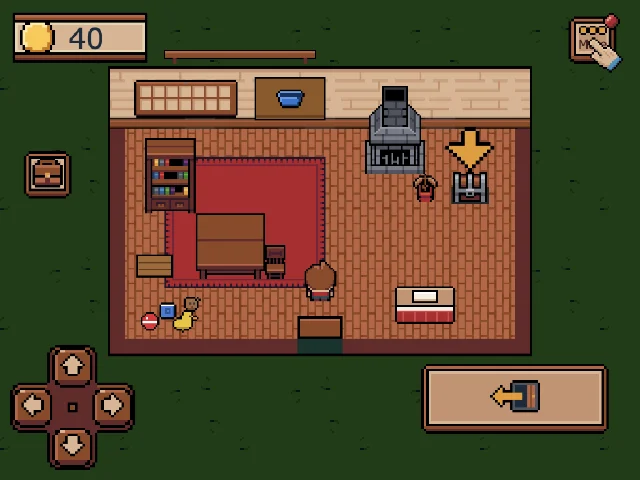
At four to seven, the job matters less than the routine. A small job done most days teaches more than a big job done once. Expect help, not perfection, and choose jobs your child can finish in a few minutes.
 Show it once
 Use a picture chart
 Praise the effort
 Link it to coins
Chores for 4 year olds
- Putting toys back in their box or basket.
- Putting dirty clothes in the laundry basket.
- Carrying their own plate and cup to the kitchen.
- Feeding a pet, with a grown-up measuring the food.
- Wiping up small spills with a cloth.
- Matching socks from a clean pile.
Chores for 5 year olds
Everything a four-year-old can do, plus jobs with a few steps:
- Making their bed, in their own way. A pulled-up duvet counts.
- Setting the table: forks, spoons and cups in the right places.
- Sorting washing into lights and darks.
- Watering plants with a small can.
- Putting shopping away on low shelves.
- Helping to wash plastic cups and bowls.
Chores for 6 and 7 year olds
By six and seven, children can take charge of a whole small job and remember it with a reminder chart:
- Folding towels and putting away their own clean clothes.
- Emptying the cutlery from the dishwasher.
- Clearing and wiping the table after a meal.
- Packing their own school bag.
- Helping to prepare simple food, such as washing vegetables.
- Sweeping a small area with a dustpan and brush.
Every child is different, so treat these lists as a menu, not a test. If a job is too hard, break it into smaller steps rather than doing it for them.
How to make chores stick
Show it once, side by side
Do the job together the first few times. Say each step out loud: "Fork on the left, cup at the top."
Use a picture chart
Young children cannot read a list, but they can read pictures. A chart on the fridge with a drawing for each job, and a sticker or tick when it is done, lets them see what they have achieved. Our free picture chore charts by age are ready to print, and there is a chore chart with money if you pay for jobs.
Tie jobs to moments, not clock times
"After breakfast we feed the cat" is easier to remember than "at eight o'clock". Routines carry the job, so you do not have to.
Praise the effort
Thank them for the job, not for how well it was done. Redoing their work in front of them teaches them that their help does not count.
Should you pay children for chores?
This is the question most parents ask, and there is no single right answer. Paying for every chore can teach a child to ask "what do I get?" before helping at all. But never connecting work and money misses the clearest money lesson there is: money is earned by doing something.
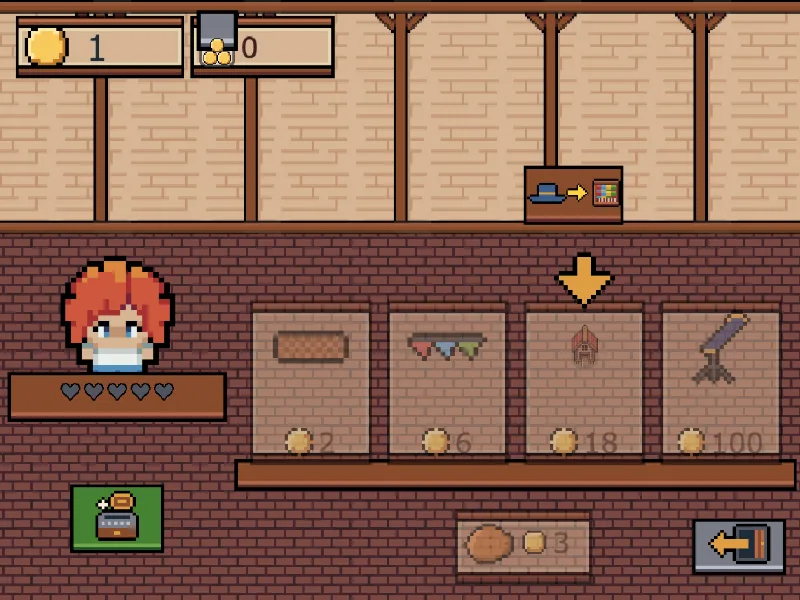
Many families use a middle way:
- Family jobs are unpaid. Tidying toys and clearing a plate are part of living together, so they are not optional.
- Extra jobs can earn. A few jobs beyond the everyday ones, like washing the car with you or sorting the recycling, can earn a small amount.
- Pocket money stays separate. A small regular amount arrives anyway, so a child who skips the extra jobs still has money to practise with.
Our guide to pocket money for young children covers how much to give and how to split it between spending, saving and giving.
Earning in Pocketvale
Pocketvale is a free browser game for children of about 4 to 8, and in it coins only come from doing something. The village has a job board where villagers ask for help, such as three fish from the pond or two pumpkins sold at the market stall. Each job shows who is asking, what they need and what it pays, in pictures.
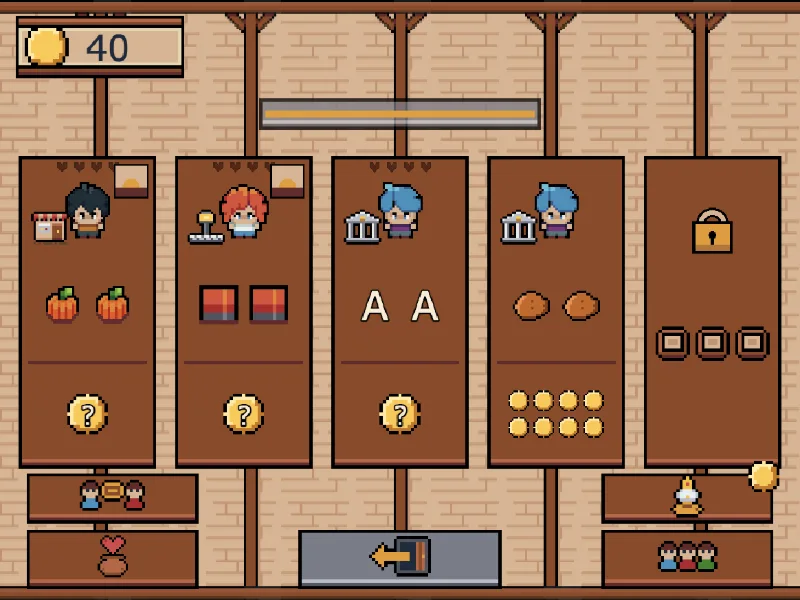
The board holds a few jobs at a time, and new ones arrive after a while rather than the moment one is done, so it never turns into an endless list. Jobs only ask for things a child has already learned to do, and harder jobs pay more. When the coins arrive, a child chooses whether they go in the purse, the wish jar or the giving box. Every goal is shown in pictures and spoken aloud, so a child who cannot read yet can play.
Sources and further reading
What this guide leans on, from outside Pocketvale.
- Money as You Grow: school-age children (US Consumer Financial Protection Bureau). The same guide for school-age children and preteens.
- Jump$tart Coalition for Personal Financial Literacy. A US coalition that publishes standards for personal financial education.
How we wrote this
- We lean on official guidance. It is linked under Sources, and named in the text.
- Every picture of the game is a screenshot from the game itself.
- We make Pocketvale, so the sections about the game carry its name.
- Each page shows the day it was last changed.
- We are not financial advisers, and every family is different.
Who writes these guides
Pocketvale is made by a parent and software engineer, as a family project. We write these guides to share what building a money game for children aged 4 to 8 taught us.
Spotted a mistake? Tell us through the contact form. More about Pocketvale.
Try the job board
Free to play in the browser, on an iPad, a tablet or a computer.
 Play Pocketvale
Questions parents ask
What chores can a 5 year old do?
Most five-year-olds can make their bed in their own way, set the table, sort washing into lights and darks, water plants, put shopping on low shelves and feed a pet with help. Pick two or three and make them part of the day.
How many chores should a young child have?
Two or three small daily jobs is plenty for a four- or five-year-old. Each should take only a few minutes. Add a job when the first ones have become a habit.
Should I pay my child for doing chores?
Many families keep everyday family jobs unpaid and offer a few extra jobs that can earn a little. That keeps helping at home normal, while still showing that money is earned by doing something.
More guides: pocket money for young children, saving for a goal, and all our guides for parents.