 Pocketvale
Money lesson for kindergarten: earning coins
Young children often think money comes from a card, a till or a grown-up’s pocket. This lesson shows the plain version: coins are the pay for doing something.
By the Pocketvale team. Published 2 November 2026. For ages 4 to 8. About fifteen minutes: five of talk and ten of play.
The idea: Money is pay for work. We do the job first, and then the coins come.
What a child says back: “I did a job, so I got coins.”
Five minutes of talk
- Hold up a sticker, a counter or a coin. Ask: “How could you earn this?” Take three answers. Every answer will be something a child does: tidying, helping, carrying.
- Name a real job in your room, such as wiping the board or handing out books. Ask: “If a coin paid for this, what would the coin be for?” The work comes first, and the pay comes after.
- Ask: “Is carrying one book the same as carrying twenty?” Let them vote. Say that bigger jobs can pay more, and that this is fair.
- Say that a coin can go three ways: in a pocket to spend, in a jar to save, or in a box to give away. Do not explain more yet. Just name them.
- Say it back together: “I did a job, so I got coins.” Then go and play.
The game screen that shows it
The village has a job board. Villagers ask for help, for example three fish from the pond or two pumpkins sold at the market stall. Each card shows who is asking, what they need and what it pays, in pictures, and the game says it aloud, so a child who cannot read yet can play. The board holds a few jobs at a time and new ones arrive after a while, so it never turns into a long list.
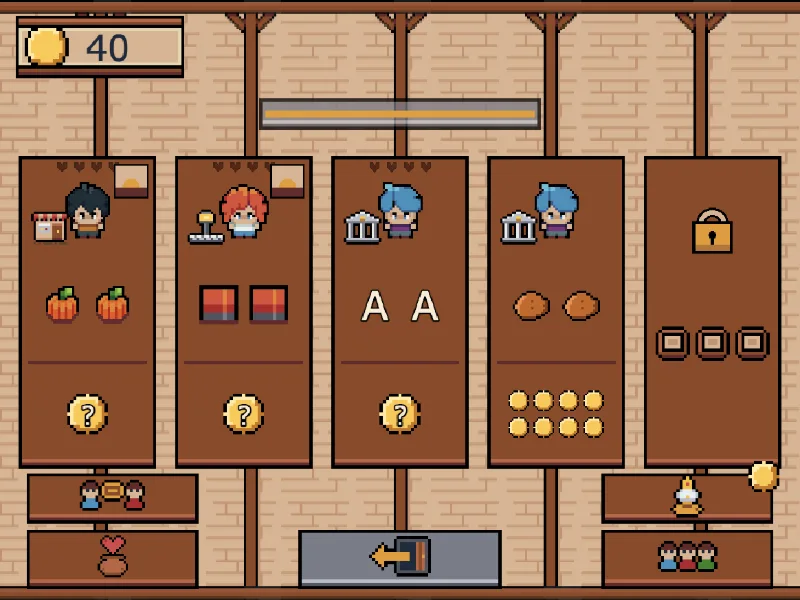
What a child does there, in about ten minutes:
- A child taps a job card and sees who is asking and what the pay is.
- The child does the job, such as fishing at the pond, and takes it back.
- The coins arrive, and the child chooses where they go: the purse, the wish jar or the giving box.
Pocketvale is a free browser game for children of about 4 to 8. It needs no account, shows no ads and plays on a tablet, a Chromebook or a computer. A child can play it on one device, or you can add it to your class page.
Print it
A chore chart with money gives the same idea a home or classroom form: a job, then a coin to colour in. Print the chore chart with money, free and ready to use.
What to listen for
- A cause and an effect in the child’s own words: “I did it, so I got coins.”
- A child who notices that a bigger job paid more.
- A child who says the coins “just came”. Ask what was done first.
Standards this lesson meets
Read off each standard’s own document on 13 November 2026. Most early money standards go further than one fifteen-minute lesson, so most of these are met in part.
- US National Standards (CEE and Jump$tart), Earning Income 4-3 (covers part of it): “There are different ways to be paid for labor, including wages, salaries, commissions, and tips.”
The standards table has every row, including the ones no lesson meets, with links to the documents.
Read more for grown-ups
The article that covers this idea for parents and teachers is Age-appropriate chores for 4 to 7 year olds. You can send it home with the lesson.
Try this lesson’s screen yourself
Free to play in the browser, on an iPad, a Chromebook or a computer.
 Play Pocketvale
Questions teachers ask
Should children be paid for every job?
This lesson is about the idea of pay, not a rule for your room. In the game every coin is earned. In class a sticker or a token can do the same job, and ordinary manners can stay unpaid.
Can children play without reading?
Yes. Every goal is shown in pictures and said aloud, and the game uses small numbers of coins that a child can count one at a time.
Next: saving for a wish. All six lessons are on the teachers page, and a week of them is the Financial Literacy Month plan.