
Sales and the best price: a lesson for kids
A price is not a fact about a thing. What a shop pays, and what it charges, changes from day to day. A sale only helps a child who has already saved. Show them that, and asking "who pays the most?" becomes a habit.

By the Pocketvale team. Published 13 November 2026, updated 14 November 2026.
Key takeaways
- A price is not a fact about a thing: it changes from day to day.
- A sale only helps a child who has already saved.
- Asking who pays the most becomes a habit worth having.
Why prices that move are worth teaching
To a young child, a price is a property of the thing: a toy costs this much, a snack costs that. It is a fair first idea, and it is not quite true. A shop may charge less this week. A buyer may pay more for a thing today than he did yesterday. The sooner a child sees that a price can move, the sooner they start asking the useful question, which is not "how much?" but "where, and when?"
There are two halves, and they are worth keeping apart. One is what a thing fetches, the price when you sell it. The other is what a thing costs, the price when you buy it. Both can change, and a child who has seen both is better placed to choose.
 What a thing fetches
 What it costs
 Compare
 Buy with savings
What a thing fetches
The same carrot is worth more to a shop that is short of carrots than to one that is full of them. For a child, the easiest way to see it is to ask two buyers. Put the same thing in front of two people and ask each what they would pay. The answers are rarely the same, and the difference is the lesson.
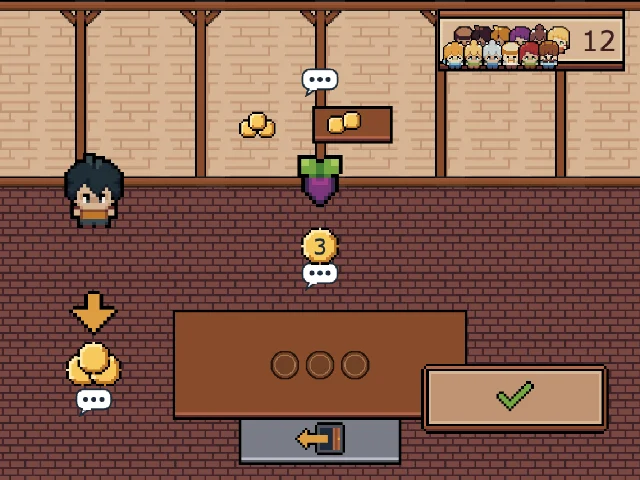
This is where the habit of asking "who pays the most?" starts. It is the first step to understanding why a seller looks around before selling, and it needs no sums beyond comparing two numbers.
What a thing costs, and what a sale really is
A sale is a day when the same thing costs fewer coins. That is easy to see and easy to misread. The usual misreading is that a sale means a bargain. It does not. A sale helps only a child who has already been saving, because the saved coins are what turn a good price into a thing they can take home. A child with an empty jar sees a lower price on something they still cannot buy.
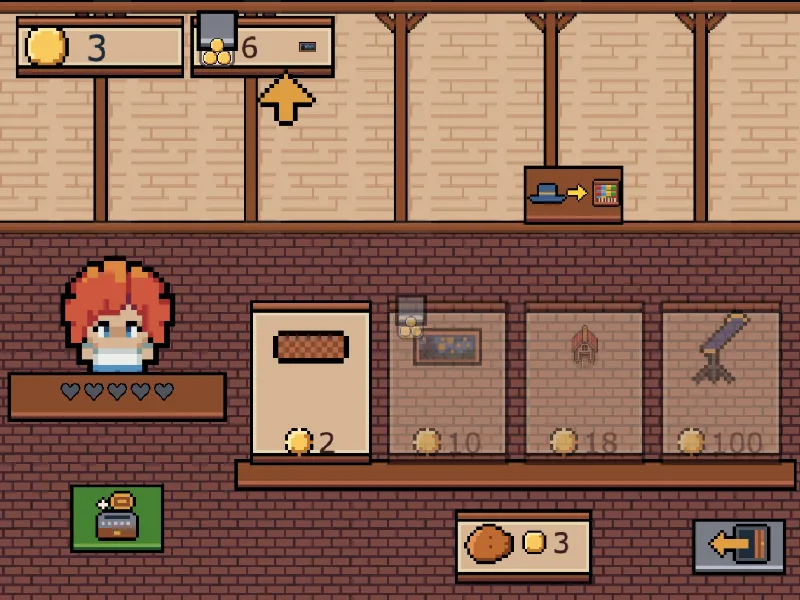
It is also worth saying plainly that a sale is not a reason to wait. Sitting on a full jar for a better price, when there is something useful that could be bought today, is a different lesson, and not the one we want to teach. A sale on the thing a child was already saving for is simply a good day.
What to say to your child
Try: "The same thing can cost less on a different day, and it only helps if you have saved." It ties the sale to saving, which is where it belongs. Then try: "Who would pay the most for this?" when your child is selling a toy, a drawing or a game piece, and let them guess before anyone answers. Our guide to saving for a goal explains why the jar is the part that matters.
One thing to do away from the screen
Read a shop leaflet together. Pick one thing your child would like. Find its price in two places, a leaflet and a shop, or two shops. Circle the lower one and write the difference in coins. Then ask three questions: "Do we need it? Do you have the coins for it? Would you still want it next week?" A sale price on something no one wanted is not a bargain, and a child who can say so is well on the way.
Sales and prices in Pocketvale
Pocketvale is a free browser game for children of about 4 to 8, and it teaches both halves, in its shop and its market.
- What a thing fetches. The shopkeeper wants one thing each day, such as tomatoes, and pays double for it. On every other day the same tomato fetches less. Other buyers, such as the market, the smith and the baker, pay their own prices, and the game shows which of them pays the most today.
- What a thing costs. Every fourth day, the dearest thing on the shop's shelf wears its old price struck through and a new price half the size.
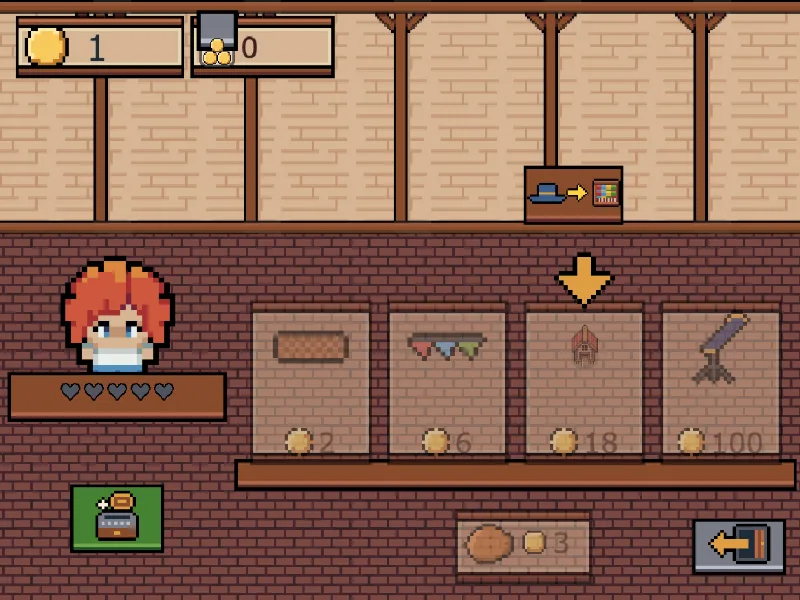
The child's savings jar does not move on a sale day. The same coins sit in the same glass, and what changes is that the keeper will take that jar for the thing today. That is the whole lesson, and it is about saving rather than shopping. The sale is always on the dearest thing, the one furthest from the child, so it never rewards sitting on a full jar over buying something useful now.
Sources and further reading
What this guide leans on, from outside Pocketvale.
- Money as You Grow: school-age children (US Consumer Financial Protection Bureau). The same guide for school-age children and preteens.
- Jump$tart Coalition for Personal Financial Literacy. A US coalition that publishes standards for personal financial education.
How we wrote this
- We lean on official guidance. It is linked under Sources, and named in the text.
- Every picture of the game is a screenshot from the game itself.
- We make Pocketvale, so the sections about the game carry its name.
- Each page shows the day it was last changed.
- We are not financial advisers, and every family is different.
Who writes these guides
Pocketvale is made by a parent and software engineer, as a family project. We write these guides to share what building a money game for children aged 4 to 8 taught us.
Spotted a mistake? Tell us through the contact form. More about Pocketvale.
See sales and prices in a game
Free to play in the browser, on an iPad, a tablet or a computer. No ads, no sign-up.
 Play Pocketvale
Questions parents ask
Should I teach my child to wait for sales?
Only for things they were already saving for. A sale on something no one needed is not a bargain. The useful habit is asking what you were going to buy anyway, and whether today is a good day to buy it.
What age can a child understand a price changing?
Around five or six. Younger children can see that something is "on sale", but the idea of comparing prices usually comes with being able to compare two numbers.
How can I show "who pays the most" at home?
Let your child offer a drawing or a toy to two family members and ask each what they would pay. Notice that the answers are different, and ask why.
Does the game show real shop prices?
No. Prices and sales in the game are made up, to show how buying and selling work. Nothing in it is real money.
More guides: needs and wants for kids, teaching kids to save, selling at a stall and all our guides for parents.