
Delayed gratification for kids: how to teach waiting
Delayed gratification means choosing to wait for something better instead of taking something smaller now. For a young child it is hard, and it is also a skill that grows with practice. Here is what the research really says, and everyday ways to make waiting easier.

By the Pocketvale team. Published 29 October 2026, updated 14 November 2026.
Key takeaways
- Delayed gratification means choosing to wait for something better.
- It is a skill that grows with practice.
- Make the wait visible, start with short waits and keep your promises.
What delayed gratification means for a young child
For a grown-up, delayed gratification is saving for a holiday or not buying the thing in the shop window. For a four- or five-year-old it is smaller and more immediate: waiting until after dinner for the biscuit, keeping coins in a jar instead of spending them at the first shop, or letting a seed grow instead of digging it up to look.
It matters for money because almost every good money habit is a kind of waiting. Saving is waiting. Comparing prices is waiting. Not buying the first thing you see is waiting. A child who has practised waiting for small things finds the bigger waits easier later.
 Keep your promise
 Make the wait visible
 Start with short waits
 Feel the result
What the marshmallow test really found
The best-known research on waiting is the "marshmallow test", run with preschool children at Stanford University by Walter Mischel and colleagues from around 1970. A child could eat one treat now, or wait alone for a while and get two. Later follow-ups reported that children who waited longer did better as teenagers, and the test became famous as a measure of self-control.
Two later studies changed that picture:
- Trust matters. A study at the University of Rochester split children into two groups. For one group, the adult had just broken a small promise; for the other, the adult had kept it. Children who had seen the promise kept waited far longer. Waiting is a sensible choice only when the reward is likely to come.
- The effect is smaller than claimed. A much larger replication in 2018, by Tyler Watts, Greg Duncan and Haonan Quan, found a much weaker link between waiting at four and later results. Much of that link was explained by family background and early skills.
So the useful lesson for parents is not "test your child". It is that waiting is a skill shaped by trust and by the situation, and you can make the situation easier. The Wikipedia article on the marshmallow experiment is a good summary of the studies.
Seven ways to make waiting easier
1. Keep your promises about waiting
If you say "after lunch", make it after lunch. A child learns that waiting pays only when it does.
2. Make the wait visible
Time is invisible to a young child. A clear jar filling with coins, a chart of days to cross off or a plant getting taller turns the wait into something they can watch.
3. Start with short waits
Five minutes for a snack, then a day for a treat, then a week for a toy. Each success makes the next wait easier.
4. Give them something else to do
In the original studies, children waited longer when the treat was out of sight or when they had something else to think about. Put the reward away and offer a game or a song while they wait.
5. Offer real "now or later" choices
"One sticker now, or two on Saturday?" Let them choose either way. Choosing "now" is not a failure; it is information for next time.
6. Let them feel the result
If they spend everything at once and then see something they love, sympathise, but do not rescue. "Next time, shall we keep some coins in the jar?"
7. Talk about your own waiting
"I really want new boots, but I'm saving for our trip first." Children copy what they see far more than what they are told.
From waiting to saving
Once a child can wait a few days for something, they are ready for a first savings goal. Our guide to saving for a goal walks through choosing the goal, a clear jar and counting together. Later, the idea that waiting can make money grow is the start of understanding interest, which our guide to explaining interest to a child covers with coins they can see.
Waiting in Pocketvale
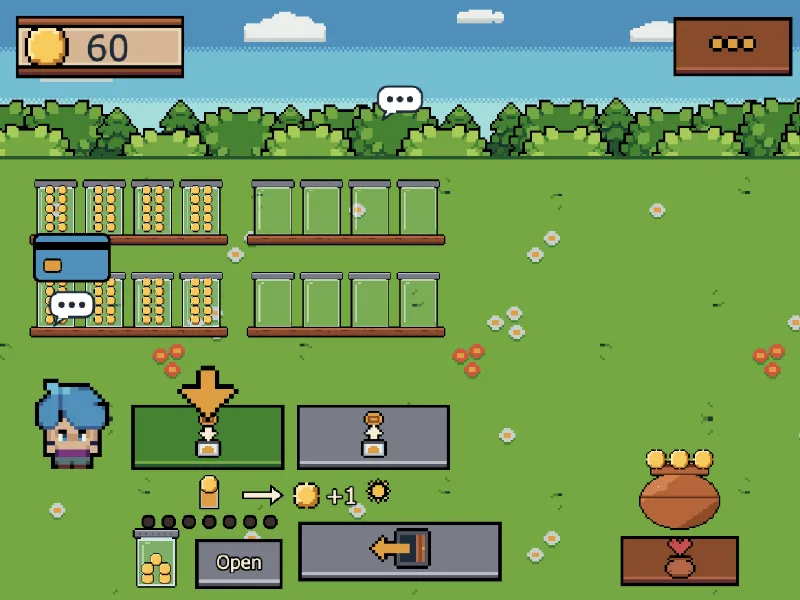
Pocketvale is a free browser game for children of about 4 to 8, and waiting is built into how it works. In the garden, seeds grow over real days, and a crop left to grow is worth more coins than one picked early. A child can see the choice: pick now for a little, or come back tomorrow for more.

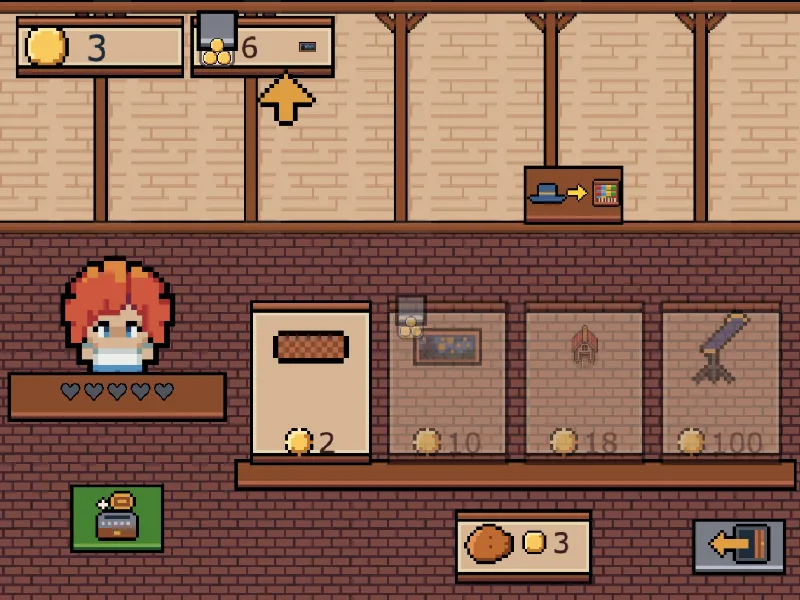
The shop always holds more than one purse can buy, so bigger things need saving for. A child picks a wish and fills its jar one coin at a time. At the village bank, full jars of coins earn a little extra each week. The wait is part of the game rather than a timer to skip, and every goal is shown in pictures and spoken aloud.
Sources and further reading
What this guide leans on, from outside Pocketvale.
- Money as You Grow: young children (US Consumer Financial Protection Bureau). A US government guide for parents, with money ideas for young children.
- Council for Economic Education. A US nonprofit that publishes economics and personal finance standards for schools.
How we wrote this
- We lean on official guidance. It is linked under Sources, and named in the text.
- Every picture of the game is a screenshot from the game itself.
- We make Pocketvale, so the sections about the game carry its name.
- Each page shows the day it was last changed.
- We are not financial advisers, and every family is different.
Who writes these guides
Pocketvale is made by a parent and software engineer, as a family project. We write these guides to share what building a money game for children aged 4 to 8 taught us.
Spotted a mistake? Tell us through the contact form. More about Pocketvale.
Practise waiting, in a game
Free to play in the browser, on an iPad, a tablet or a computer.
 Play Pocketvale
Questions parents ask
At what age can children delay gratification?
The ability grows a lot between about three and six. Most four- and five-year-olds can wait a few minutes for something they care about, especially if the reward is out of sight and they have something else to do. Longer waits come with practice.
Is the marshmallow test a good predictor of success?
Less than was first thought. A larger 2018 study found a much weaker link than the original follow-ups, and other research shows children wait longer when they trust the adult. It is better seen as a skill to practise than a fixed trait.
How does delayed gratification relate to money?
Saving is delayed gratification with coins: not spending now so you can have something better later. Practising small waits makes a first savings goal much easier.
More guides: saving for a goal, needs and wants, and all our guides for parents.